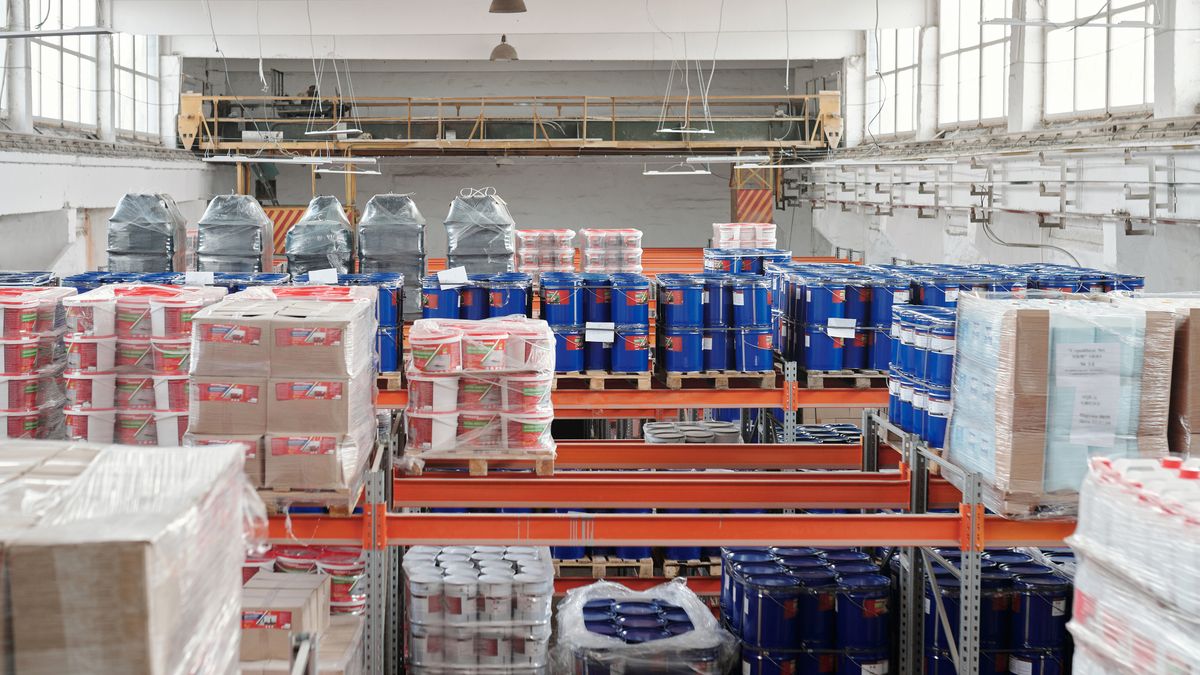
Every drugstore in the Philippines gives senior citizens a 20% discount on medicines. Until now, the retailer at the counter usually carried that cost alone and deducted it from its gross income. The Bureau of Internal Revenue (BIR) has now changed the rules so the cost can be shared up the supply chain.
Revenue Regulations (RR) No. 7-2026 amends RR No. 7-2010, the rules on how establishments treat senior citizen discounts for income tax. It lets retailers, manufacturers, distributors, wholesalers-retailers and wholesalers of medicines agree to share the discount. It also sets a firm limit: each party can deduct only the share it actually bears under the agreement.
If you run a pharmacy, a supermarket with a drug counter, or a business that makes or distributes medicines, this affects your income tax, your supplier contracts and your records. Here is what changed and what to do about it.
What changed
RR No. 7-2026 is dated September 17, 2026, signed by the Secretary of Finance on the recommendation of the Commissioner of Internal Revenue. The BIR's records stamp on the issuance is dated October 13, 2026, and the BIR has posted the full text on its 2026 Revenue Regulations page. It amends Sections 2, 4 and 7 of RR No. 7-2010, which implement Republic Act (RA) No. 9994, the Expanded Senior Citizens Act of 2010.
The regulation makes three changes.
1. A wider definition of "establishment." The amended Section 2(m) still covers any public or private entity licensed by a national agency or local government unit (LGU) that supplies goods and services covered by the Act to senior citizens. It now expressly includes retailers, manufacturers and distributors of pharmaceutical products, who are subject to the burden-sharing arrangements prescribed by the Department of Health (DOH).
2. Burden-sharing agreements are now written into the tax rules. A new Section 4(a.2) says retailers, manufacturers/distributors, wholesalers-retailers and wholesalers may enter into an agreement to share the burden of the senior citizen discount. The agreement must follow the guidelines and mechanisms prescribed by the DOH, must be duly documented, and a copy must be furnished to the DOH.
This puts into practice a long-standing part of the law. RA 9994 already directed the DOH to set up guidelines and a mechanism of compulsory rebates for sharing the burden of discounts among retailers, manufacturers and distributors.
3. A cap on the tax deduction. A new paragraph 9 in Section 7 says that when the discount is shared under a burden-sharing agreement, "the total deductible expense from gross income shall not exceed the portion corresponding to the claimant's share under said agreement." Paragraph 7 was also amended so that the right to claim the deduction is now "subject to paragraph 9."
What did not change: The discount is still 20% on medicines, including influenza and pneumococcal vaccines, and on other essential medical supplies, accessories and equipment determined by the DOH. The discount remains an ordinary and necessary expense that falls under itemized deductions. You can claim it only if you do not opt for the Optional Standard Deduction (OSD) for that taxable quarter or year.
How the deduction cap works
Here is a simple illustration. The figures and the 50/50 split are examples only, not rates set by the BIR or the DOH.
| Retailer | Manufacturer | |
|---|---|---|
| Senior citizen discount given at the counter | ₱200 | — |
| Share under the burden-sharing agreement | 50% | 50% |
| Cost actually borne (after rebate from manufacturer) | ₱100 | ₱100 |
| Maximum deduction under RR 7-2026 | ₱100 | ₱100 |
Under RR 7-2026, the retailer can deduct only ₱100, the portion it actually bears. The other ₱100 belongs to the manufacturer's side of the agreement. The total deduction across the chain cannot exceed the discount actually granted.
Who this affects
- Drugstores, pharmacies and botica chains. You give the discount at the counter. If your suppliers rebate part of it, your deduction shrinks to your net share. Your records must show the split.
- Supermarkets, convenience stores and clinics that sell medicines. The same rules apply to the medicine portion of your sales.
- Pharmaceutical manufacturers, distributors, wholesalers and wholesalers-retailers. You are now expressly an "establishment" under the BIR rules. If you rebate part of the senior citizen discount to your retail customers, you may claim your share as a deduction, but only up to what the agreement assigns to you.
- Businesses on the OSD. The discount is an itemized deduction. If you use the OSD, you cannot deduct the discount separately, whether or not you share it. This is a good time to compare both methods for the 2026 annual return.
- Restaurants, transport and other establishments. The new burden-sharing paragraph is about medicines. Your 20% discount treatment does not change, but the itemized-deduction and OSD rules in Section 7 still apply to you.
What you need to do
- List your current rebate or discount-support arrangements. Many suppliers already give drugstores "senior discount support" through rebates, credit memos or price adjustments. Identify each one and how much of the discount it covers.
- Put each arrangement in a written agreement. RR 7-2026 requires the burden-sharing agreement to be duly documented. Make sure it states the share of each party clearly, so each side's deductible amount is easy to prove.
- Furnish a copy to the DOH. The regulation requires a copy of the agreement to be given to the DOH. Keep proof that you did.
- Check the DOH guidelines. The agreement must follow the guidelines and mechanisms prescribed by the DOH. As of October 26, 2026, we could not locate a new DOH issuance on burden sharing published alongside RR 7-2026. Ask your suppliers or industry association which DOH guidelines they are applying, and watch the DOH website.
- Adjust your books. Record the gross senior citizen discount, then record supplier rebates for the discount separately. Your deductible senior discount expense should equal the discount granted minus the amounts reimbursed to you under the agreement. Suppliers should record rebates paid as their share.
- Review your deduction method. If you use the OSD, the discount gives you no separate deduction. If senior citizen sales are a large part of your business, compare OSD and itemized deductions with your accountant before you file your 2026 annual return.
- Keep your senior citizen sales records complete. Under RA 9994, the deduction is subject to the documentation requirements of the National Internal Revenue Code. Keep sales records that tie each discount to a qualified purchase, along with the agreements and rebate documents.
Key dates
| Date | What happens |
|---|---|
| September 17, 2026 | RR No. 7-2026 signed by the Secretary of Finance |
| October 13, 2026 | Date on the BIR records stamp; full text posted on the BIR website |
| 15 days after publication | RR No. 7-2026 takes effect (publication in the Official Gazette or on the BIR website, whichever comes first) |
| Taxable year 2026 annual return | First annual income tax return where the cap may affect your deduction |
Effectivity check: The regulation does not state its publication date on its face. If it was posted on the BIR website on or about October 13, 2026, it would take effect at the end of October 2026. Confirm the exact date with your RDO or tax adviser, especially for rebates you agreed on before then.
Key references
| Issuance | What it covers |
|---|---|
| RR No. 7-2026 | Adds pharmaceutical retailers, manufacturers and distributors to "establishment"; allows documented burden-sharing agreements; caps each party's deduction at its share |
| RR No. 7-2010 | Original BIR rules on the tax treatment of senior citizen discounts under RA 9994 |
| RA No. 9994 | Expanded Senior Citizens Act of 2010: the 20% discount and VAT exemption, the tax deduction, and the DOH's mandate on compulsory rebates |
Frequently asked questions
Does RR 7-2026 change the 20% senior citizen discount?
No. Senior citizens still get a 20% discount on medicines and other covered goods and services, plus the VAT exemption where it applies. RR 7-2026 changes only how establishments that share the cost of the discount claim their tax deduction.
Is burden sharing mandatory for drugstores and suppliers?
RR 7-2026 says retailers and suppliers "may" enter into a burden-sharing agreement, following the DOH's guidelines and mechanisms. RA 9994 itself refers to compulsory rebates to be set by the DOH. Whether a specific arrangement is required depends on the DOH guidelines, so check them with your suppliers and adviser.
Can I still deduct the full senior citizen discount?
Yes, if you bear the full cost and you use itemized deductions. If the cost is shared under a burden-sharing agreement, you can deduct only the portion that corresponds to your share under that agreement.
I use the Optional Standard Deduction. Can I deduct the senior citizen discount?
No. The BIR treats the discount as an itemized deduction. You can claim it only if you do not opt for the OSD for that taxable quarter or year.
What documents should I keep?
Keep the signed burden-sharing agreement, proof that you furnished a copy to the DOH, the rebate or credit memo documents from your suppliers, and sales records showing each senior citizen discount you granted.
Conclusion
RR 7-2026 is short, but it closes a real gap. When suppliers help pay for the senior citizen discount, the deduction now follows the money. Each party deducts only what it actually bears, and the agreement behind the split has to be written down and shared with the DOH.
For drugstores and medicine suppliers, the work is mostly in your contracts and your books. Document your rebate arrangements, record the discount and the rebates separately, and check your deduction method before year-end. If you'd like help reviewing your senior citizen discount records or comparing OSD and itemized deductions for 2026, we're happy to help.
References
- Bureau of Internal Revenue. Revenue Regulations No. 007-2026: Amending Revenue Regulations No. 07-10 Relative to the Burden-Sharing Agreement of Establishments Claiming Senior Citizen Discounts as Tax Deduction Pursuant to Republic Act No. 9994. September 17, 2026. https://bir-cdn.bir.gov.ph/BIR/pdf/RR%20No.%207-2026_redacted.pdf
- Bureau of Internal Revenue. 2026 Revenue Regulations. Accessed October 26, 2026. https://www.bir.gov.ph/2026-Revenue-Regulations?type=PAGE&to=2026-Revenue-Regulations&label=2026
- Congress of the Philippines. Republic Act No. 9994: Expanded Senior Citizens Act of 2010. February 15, 2010. https://lawphil.net/statutes/repacts/ra2010/ra_9994_2010.html
- Reyes Tacandong & Co. BIR RR No. 7-2026: Senior citizen discount tax deduction. October 2026. https://www.reyestacandong.com/bir-rr-no-7-2026-senior-citizen-discount-tax-deduction/