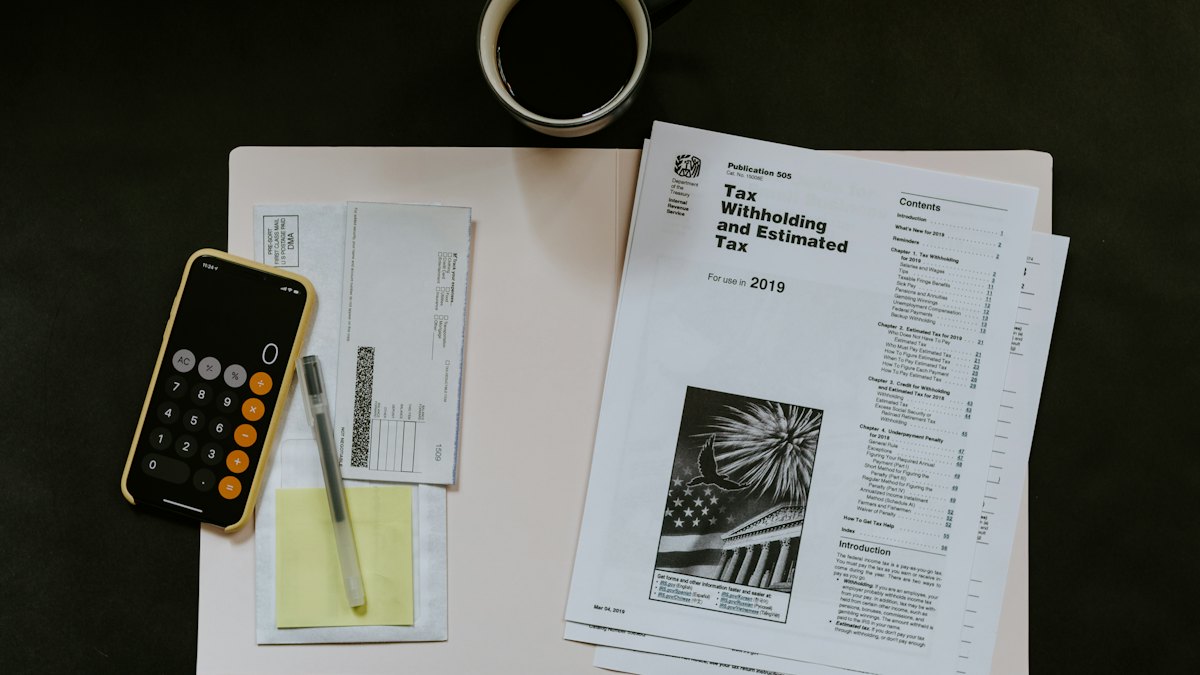

The BIR has set a firm date for electronic invoicing. Under Revenue Memorandum Circular (RMC) No. 98-2026, covered businesses must issue electronic invoices on or before December 31, 2026. That is about ten weeks from today.
Two newer issuances make the deadline more concrete. On October 12, 2026, the BIR released RMC No. 110-2026, which sets the accreditation rules for e-invoicing service providers (ESPs), the vendors many businesses will rely on. On October 22, 2026, RMC No. 112-2026 confirmed that e-invoicing systems must also be able to show creditable withholding tax by the same December 31 deadline.
If you sell online, use a computerized accounting system or invoicing software, or are a large taxpayer, this is your most urgent compliance project for the rest of the year. Here is what changed, who it affects and what to do now.
What changed
RMC No. 98-2026 is dated September 22, 2026 and took effect immediately. It prescribes the policies on issuing electronic invoices under Section 237 of the Tax Code, as implemented by Revenue Regulations (RR) No. 8-2022 and RR No. 11-2025, as amended by RR No. 26-2025. The main rules:
- The deadline. All covered taxpayers, except those classified as Micro, must issue electronic invoices and comply with the circular on or before December 31, 2026.
- What counts as an e-invoice. An invoice qualifies only if it meets all three tests. It is generated by a registered, approved or accredited system in a structured electronic format. It is transmitted to the buyer digitally, for example by email, online viewing, QR code, app or web platform. Its data can be electronically extracted and sent to the BIR for sales reporting.
- Spreadsheets and Word files don't count. Invoices created in Microsoft Word, Excel, Google Docs, Google Sheets or similar applications are not valid electronic invoices.
- A printout from your system may not count either. If your CAS, POS or invoicing software prints invoices but cannot issue them electronically and report sales data to the BIR, those invoices are treated as system-generated, not electronic.
- Structured data. The BIR's Electronic Invoicing and Sales Reporting (EIS) system uses the JSON file format. You can keep another structured format internally, as long as the sales data can be converted and transmitted in the BIR's format.
- No edits after issuance. An issued e-invoice can't be deleted or changed. Reduce an amount with an authorized credit note or memo. Increase it by issuing a new e-invoice.
- Downtime. If your system, internet or power goes down, you must issue a BIR-authorized manual invoice. Once the system is back, replace each manual invoice with an e-invoice that references the manual invoice number.
- Branches. The rule applies to the business as a whole. Your head office and every branch must issue e-invoices, even if the covered activity happens at only one location.
The circular also separates two obligations. Issuing e-invoices (Section 237) is required now. Electronic sales reporting (Section 237-A) becomes mandatory only once the BIR issues the implementing guidelines. The Permit to Transmit (PTT) likewise applies only upon notice from the Commissioner.
The two permits you need
| Requirement | What it is | Timing |
|---|---|---|
| Permit to Issue (PTI) Electronic Invoice | BIR authority to issue e-invoices through a specific registered system. It is separate from your CAS Permit to Use or Acknowledgement Certificate. | Before you issue any e-invoice. The BIR evaluates a complete application within 20 working days. |
| EIS Certification | Online testing that proves your system can extract, process and transmit sales data to the BIR | Within six months from the issuance of your PTI. Missing it is a ground to revoke the PTI. |
You file the PTI application with your Revenue District Office (RDO) or Large Taxpayer office. The head office and each branch get a PTI with the same number. If you use different invoicing systems for different branches or business segments, you need a separate PTI for each system. Changing or migrating to another system requires a new or amended PTI.
The new ESP rules
You can build your own e-invoicing solution, buy commercial software, or use an ESP. RMC No. 110-2026, dated October 12, 2026, sets the rules for ESPs. The points that matter to you as a client:
- Accreditation is mandatory. No ESP may commercially deploy e-invoicing or sales reporting services unless its solution is accredited and it holds a valid Electronic Invoicing Solutions Accreditation Certificate. Vendors may run demos and pre-production tests, but must disclose that the service is not yet authorized for live transactions.
- Your own system is not covered. An in-house system, or licensed software running on your own infrastructure for your business and its branches, stays under the existing CAS and POS registration rules.
- Accreditation doesn't replace your permits. You still need your own PTI and EIS Certification under RMC 98-2026. An ESP may help file your PTI, but you remain the holder.
- Fees and lock-in. ESP fees must be disclosed before onboarding. Hidden exit, data-retrieval or migration fees, and contract terms that stop you from switching providers or retrieving your records, are not allowed.
- You own your data. You keep ownership of your books, records and invoices, and the ESP must be able to export them to you or another accredited ESP.
- Transmission speed. E-invoice and sales data must be sent in real time or within three calendar days of the transaction.
- Shared responsibility. Using an ESP doesn't relieve you of your duty to issue accurate invoices, keep books, file returns and pay the correct tax. You won't be administratively penalized for a transmission failure caused solely by an accredited ESP, but only if you exercised reasonable diligence, reported the incident on time and followed the contingency procedures.
- Your PTI depends on their certificate. Accreditation lasts five years. If the ESP fails to keep its certificate valid, your PTI to use that system may be suspended.
The circular says the accreditation board will be constituted through a separate Revenue Memorandum Order. Until you see an ESP's actual accreditation certificate, treat any "BIR-accredited" claim with caution.
Who this affects
RMC 98-2026 covers these taxpayers:
- Businesses engaged in e-commerce or internet transactions that are classified as Small, Medium or Large (Micro taxpayers are exempt)
- Taxpayers under the Large Taxpayers Service
- Taxpayers classified as Large under the EOPT Act and RR No. 8-2024
- Taxpayers using a computerized accounting system (CAS) or computerized books of accounts (CBA) with electronic invoicing, and other invoicing software
- Other taxpayers the Commissioner may require
If you are not covered, you may still adopt e-invoicing voluntarily once you secure a PTI from your RDO.
Your classification can change. If you move up a category, for example from Medium to Large, you must meet the requirements of the new category within a period the BIR sets, which won't be less than six months. If you move down, you must keep issuing e-invoices under your approved setup.
What you need to do
- Confirm whether you are covered. Check your taxpayer classification on your BIR records and list every channel where you sell, including online stores, marketplaces and social media.
- Audit how you invoice today. List every system that produces invoices at the head office and each branch. Flag any invoices made in Word, Excel or Google Sheets, because they won't qualify.
- Choose your route. Decide whether you will upgrade your current CAS or invoicing software, buy a new one, or use an ESP. Ask each vendor whether the system can transmit invoices to buyers, extract structured data in the BIR's JSON format and add the CWT field required by RMC 112-2026.
- Vet any ESP carefully. Ask to see its Electronic Invoicing Solutions Accreditation Certificate. Get its fees, exit terms and data export process in writing.
- File your PTI application early. The BIR has up to 20 working days to evaluate a complete application. With holidays in December, we suggest filing by mid-November. Ask your RDO for its current documentary checklist.
- Book your EIS Certification. The technical specifications and guides are on the BIR's EIS Certification Portal at eis-cert.bir.gov.ph. Plan your testing so you finish within six months of your PTI.
- Write a downtime procedure. Keep a supply of BIR-authorized manual invoices, assign who issues them during outages, and set a routine to replace them with e-invoices once the system is back.
- Update your credit note process. Train billing staff to correct errors with credit notes or new e-invoices, never by voiding or editing an issued e-invoice.
- Add the CWT field. Under RMC 112-2026, e-invoicing systems covered by the mandate must generate and process creditable withholding tax information by December 31, 2026. See our guide to CWT on invoices under RR 6-2026.
Watch out: Printing an invoice from your accounting software does not make it an e-invoice. If the system can't send the invoice to your buyer electronically and report the data to the BIR, it won't meet the December 31 requirement.
Key dates
| Date | What happens |
|---|---|
| September 22, 2026 | RMC 98-2026 issued and effective immediately |
| October 12, 2026 | RMC 110-2026 issued: ESP accreditation rules, effective immediately |
| October 22, 2026 | RMC 112-2026 issued: CWT field deadlines for invoicing systems |
| December 31, 2026 | Covered taxpayers must issue e-invoices. Covered e-invoicing systems must support the CWT field. |
| January 1, 2027 | The CWT field must form part of covered e-invoicing systems, unless the BIR sets a later date |
| Six months after your PTI | Deadline to secure EIS Certification |
| March 31, 2027 | POS and other systems not yet under the e-invoicing mandate must support the CWT field |
Key references
| Issuance | What it covers |
|---|---|
| RMC No. 98-2026 | Coverage, deadline, definition of an e-invoice, PTI, EIS Certification, downtime and branch rules |
| RMC No. 110-2026 | Accreditation, fees, data ownership and liability rules for e-invoicing service providers |
| RMC No. 112-2026 | CWT presentation on invoices and system deadlines, including for e-invoicing systems |
| RR No. 11-2025, as amended by RR No. 26-2025 | The underlying regulations on mandatory electronic invoicing |
Conclusion
The December 31, 2026 deadline is close, and the PTI process alone can take a month. Start by confirming your coverage and listing your invoicing systems this week. Then pick your solution, file for your PTI and plan your EIS Certification. If you use an ESP, check its accreditation and contract terms before you sign.
We help businesses work through BIR registration, system permits and invoicing changes like this one. If you're unsure whether you're covered or which route fits your business, talk to us before the year-end rush.
References
- Bureau of Internal Revenue. Revenue Memorandum Circular No. 98-2026: Prescribing Policies and Guidelines on the Issuance of Electronic Invoice under Revenue Regulations (RR) No. 8-2022 and RR No. 11-2025, as Amended by RR No. 26-2025. September 22, 2026. https://bir-cdn.bir.gov.ph/BIR/pdf/RMC%20No.%2098-2026%20redacted.pdf
- Bureau of Internal Revenue. Revenue Memorandum Circular No. 110-2026: Prescribing the Accreditation, Technical, Operational, Security, Data Governance, Institutional, Legal, and Continuing Compliance Requirements for Electronic Invoicing Solutions of Electronic Invoicing Service Providers (ESPs). October 12, 2026. https://bir-cdn.bir.gov.ph/BIR/pdf/RMC%20No.%20110-2026_redacted.pdf
- Bureau of Internal Revenue. Revenue Memorandum Circular No. 112-2026: Clarifying the Provisions of Revenue Regulations No. 006-2026 on the Separate Presentation of Creditable Withholding Tax in Sales Invoices, and Providing Transitory Guidelines Thereof. October 22, 2026. https://bir-cdn.bir.gov.ph/BIR/pdf/RMC%20No.%20112-2026_redacted.pdf
- Bureau of Internal Revenue. EIS Certification Portal. https://eis-cert.bir.gov.ph
- Grant Thornton Philippines. BIR issues guidelines on electronic invoicing; retains 31 Dec 2026 deadline. September 24, 2026. https://www.grantthornton.com.ph/technical-alerts/tax-alert/2026/bir-issues-guidelines-on-electronic-invoicing-retains-31-dec-2026-deadline/